
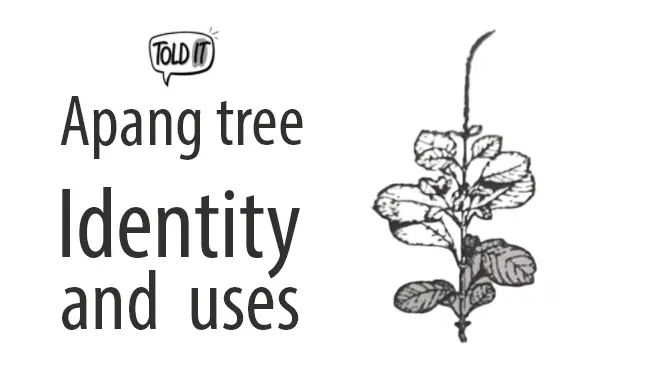
Identity:
Apang is an annual shrub-like plant. It is generally found in two varieties:
- Common Apang
- Red Apang – identified by the red markings on its leaves.
The variety without red markings is known as common Apang.
Apang usually does not grow in low-lying areas. It thrives abundantly in high lands, fallow fields, and uncultivated plots. The plant grows up to about 2 feet in height. Its leaves are typically green and vary in width and slenderness. The flowers are white, and within them are small seeds that resemble grains of rice. The flowers also have noticeable thorns or spines.
Apang typically flowers in the middle of winter (around the month of Poush), and the seeds dry out during the months of Baishakh and Jyeshtha.
Uses:
The whole plant—leaves and seeds—is used medicinally.
Smoking dried Apang leaves rolled like a bidi helps relieve asthma symptoms. The leaves and seeds are also traditionally used as antidotes for dog bites and snake venom.
