
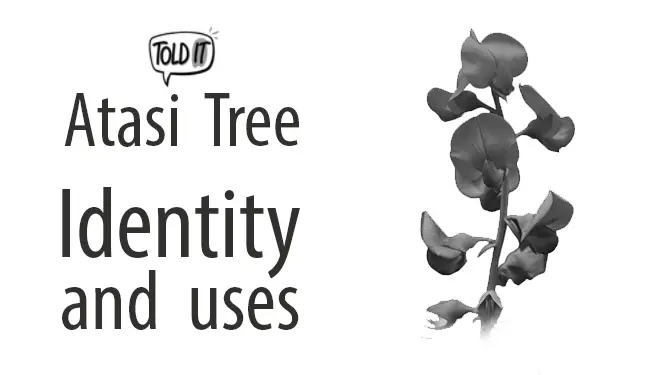
Identity:
In Sanskrit, flax (tisi in Bengali) is called Atasī. It is cultivated in all regions of India.
This is an annual plant, growing about 3 to 4 feet tall. Its leaves are long, narrow, and marked with three veins.
The flowers are blue and bell-shaped.
The fruits are flat and round, divided into seven or eight compartments, each containing a single seed.
Uses:
Atasi comes in white, red, and gray varieties. The white variety yields the most oil.
A type of fiber—similar to jute—is obtained from the stem of the plant. This fiber is used for making cloth. The plant flowers in Poush–Magh, and fruits appear about two months later.
The leaves, flowers, seeds, and seed oil of Atasi all have medicinal properties.
- Atasi oil is a laxative, so it is given to patients with piles for relief from constipation.
- When the oil or powder is mixed with water to form an ointment, it is beneficial for burns.
- Remedies for renal pain, urinary issues, phlegm, debility, kidney stones, colic, diarrhea, and gonorrhea are prepared from it for internal use.
- The seeds are mainly used for poultices.
- Powdered seeds mixed with sugar act as an aphrodisiac.
