
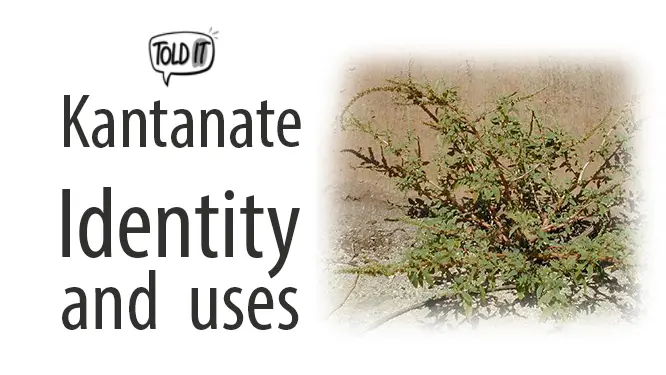
Identity:
Kantanate is a shrub-type, thorny, annual plant covered with fine hairs. The stem grows up to about two feet in height, while the plant itself is usually between one and one-and-a-half feet tall.
The stem is hard, jointed, and filled with thorns, with many branches emerging from it. The flower stalk is long, though the flowers themselves are quite small. The tips of the leaves gradually taper, and the flower stalk resembles a tail in appearance.
Uses:
The roots, stems, leaves, and branches of this plant are all used in making medicines.
Applying a paste made from Kantanate leaves to piles (hemorrhoids) stops bleeding and significantly reduces severe pain.
For nail infections (paronychia), dried Kantanate roots are powdered and applied to the affected area, providing relief.
A paste made from the tender branches and leaves applied to boils or abscesses helps the sores mature and heal within two to three days. The paste should be applied once daily.
For gonorrhea, fresh Kantanate roots are crushed with a little water, and the full extract is mixed with half a cup of cold water along with one and a half teaspoons of sugar, powdered rock sugar, or an equivalent amount of honey. Consuming this provides reliable results and relieves menstrual irregularities, genital irritation, burning sensations, and pain.
The stems, leaves, and roots of Kantanate are thoroughly dried and burned to ash. When this ash is mixed with coconut oil and applied to eczema and ringworm, both skin conditions are cured.
For severe abdominal pain, grinding three to four grams of Kantanate root together with four black peppercorns and consuming the mixture with water relieves pain. It is considered a powerful remedy for stomach pain.
In addition, medicines prepared from Kantanate are used to relieve several other ailments.
