
HomeBlogKeya Flower Tree (Screw Pine) Identity and Uses Explained

Keya Flower Tree (Screw Pine) Identity and Uses Explained

Story Roadmap

Keya Flower Tree (Screw Pine) Identity and Uses Explained

Identity:

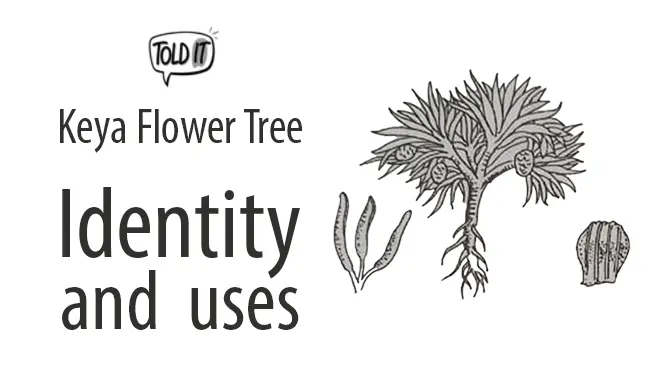
The keya plant usually grows to a height of about seven to eight feet. Branches grow out from the main stem.

The leaves are very long—about six to ten feet—and four to six inches wide. The edges of the leaves have sharp, saw-like spines. The leaves of the keya plant can be described as a larger version of pineapple leaves. There are two categories of keya plants: one female plant, and another variety known as Sitaketaki.

Uses:

Keya flowers, their pollen, and the roots of the plant are used to prepare medicines.

If a person is bitten by venomous insects such as hornets, wasps, or scorpions, or if poisonous saliva contacts the skin, swelling and pus may develop at the affected area. In such cases, about 20 grams of keya plant root should be ground on a stone slab, slightly warmed, and applied to the affected area. This neutralizes the poison, prevents swelling and pain, and stops the toxin from spreading to other parts of the body.

For insomnia, 50 grams of keya plant root should be lightly crushed and boiled in 500 milliliters of pure sesame oil for five to seven minutes. After allowing it to cool completely, the oil should be stored in a glass bottle with the lid tightly closed. Applying this oil to the body during bathing for several days promotes deep sleep. This oil is considered an effective remedy for insomnia.

In cases where even mild stimulation—such as viewing sexual images, reading suggestive material, or physical contact—causes a clear, saliva-like discharge from the penis, the following remedy is used: two or three outer white petals of the keya flower should be lightly crushed and soaked overnight in a steel glass of warm water. The next morning, the water should be consumed once on an empty stomach and once more later in the day, for several consecutive days. When crushing the petals, a stone slab or steel mortar and pestle must be used; iron tools are prohibited.

Related articles:

Kakmachi Tree Identity and Uses Explained

Identity:Kakmachi is a shrub-like plant that grows naturally on...

Cashew Tree (Kajubadam) Identity and Uses Explained

Identity:The cashew is a bushy, evergreen tree that grows...

Karpas Tree (Cotton Plant) Identity and Uses Explained

Identity:The karpas plant is beneficial in treating many kinds...

Keu Tree Identity and Uses Explained

Identity:According to ancient Ayurvedic texts, this herb was also...

Camphor Tree (Kapur) Identity and Uses Explained

Identity:Camphor is a medium-sized tree. Its original native regions...

Kul Tree (Indian Jujube) Identity and Uses Explained

Identity:Since ancient times, Ayurvedic texts have classified kul under...

Banana Tree Identity and Uses Explained

Identity:Banana is a highly nourishing fruit and a staple...

Kamranga Tree (Star Fruit) Identity and Uses Explained

Identity:Kamranga is a medium-sized tree with many branches. It...

Kantanate Tree Identity and Uses Explained

Identity:Kantanate is a shrub-type, thorny, annual plant covered with...

Olotkambal Tree Identity and Uses Explained

Identity:This plant is very well known in West Bengal...

OL Tree Identity and Uses Explained

Identity:Ol generally occurs in two types: wild ol and...

Uchchata Tree Identity and Uses Explained

Identity:This plant closely resembles Kulekhara greens commonly found in...

Ulot Chandal Tree Identity and Uses Explained

Identity:Ulot Chandal is an annual climbing plant. Its leaves...

Amrul Tree Identity and Uses Explained

Identity:Amrul is a small, slender, creeping plant that grows...

Alubokhara Tree Identity and Uses Explained

Identity:This is a type of shrub-like tree, somewhat similar...

Ata Tree Identity and Uses Explained

Identity:The ata tree is found throughout India to varying...

Mango Tree Identity and Uses Explained

Identity:The mango is known as the “king of fruits.”...

Asasheora Tree Identity and Uses Explained

Identity:This is a shrub-type plant, very well-known throughout rural...

Aknadi or Nimukha Tree Identity and Uses Explained

Identity:Here, this is considered a climbing plant. If it...

Anshphal Tree Identity and Uses Explained

Identity:Anshphal is a large-sized plant, growing about thirty to...

Grapes Tree Identity and Uses Explained

Identity:The grape plant is a climbing vine. It produces...

Walnut Tree Identity and Uses Explained

Identity:The walnut tree is a large, branched tree. Although...

Pineapple Tree Identity and Uses Explained

Identity:The pineapple plant is familiar to all of us....

Alkushi Tree Identity and Uses Explained

Identity:This plant is actually a climbing leguminous vine. In...

Apang Tree Identity and Uses Explained

Identity:Apang is an annual shrub-like plant. It is generally...