
Identity:
Since ancient times, Ayurvedic texts have classified kul under various categories and names. In everyday language, it is commonly called topa kul. In Ayurveda it is known by several names, such as Kubala, Badar, Karkandhu, Varaja Badar, and Bhubadari.
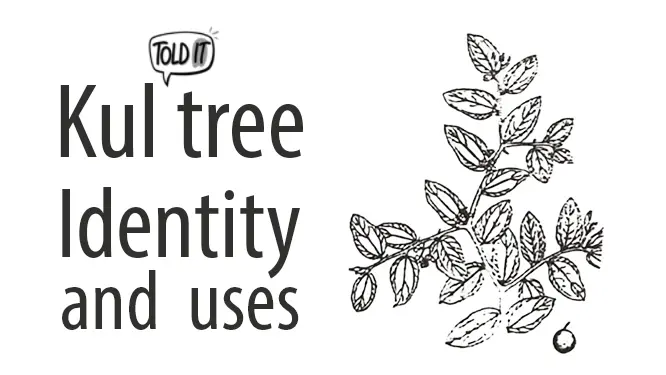
The kul plant is a thorny, bushy shrub. There is also a creeping variety that grows along the ground. This plant grows mainly in warm and temperate regions. Kul is found in the Himalayan region and across parts of America and Asia. About fifty species exist worldwide, of which around twenty are found in India. Most are wild and grow naturally, though a few species are now cultivated.
The fruit is soft and sweet. The variety known as badar has a sweet-and-sour taste and distinct medicinal properties. Karkandhu is used both as food and as a therapeutic diet.
Small kul fruits appear at the beginning of winter. The fruits are round and pale in color; unripe fruits are green and turn red when ripe. The fruit contains soft pulp and a hard seed.
Uses:
The fruit, seeds, leaves, and root bark of the kul plant are used medicinally. The ripe fruit is sweet and beneficial, helping to calm vāta and pitta. It is also helpful in disorders related to wind and phlegm.
However, unripe kul increases phlegm and bile. Fermented preparations (kanji) made from kul help alleviate many diseases.
 is a thorny medicinal shrub whose fruits, seeds, leaves, and root bark are used in Ayurveda, and support digestion.)