
Identity:
Ol generally occurs in two types: wild ol and cultivated (village) ol. The variety that grows naturally in forests and jungles is called wild ol, while the type cultivated by farmers and sold in markets is known as cultivated ol. Wild ol grows much larger and causes intense throat irritation when eaten, but its medicinal properties are considered exceptional.
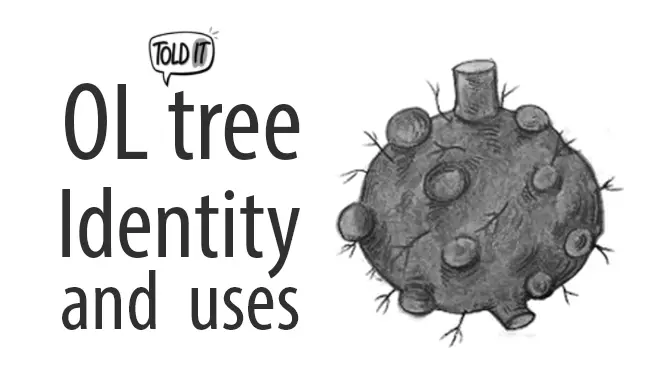
Ol is a tuberous, perennial plant. It is cultivated before the monsoon season. The leaves of the ol plant are umbrella-shaped. The plant grows about two to three feet tall. The tuber is round and irregular in shape, with a diameter that can reach up to about two feet.
Ol is widely cultivated in several Indian states, including West Bengal, Odisha, Andhra Pradesh, Maharashtra, and Tamil Nadu.
Uses:
Ol is used as an herbal remedy for various diseases. In most cases, it is recommended to use ol only after roasting or charring it. The method of roasting or charring ol is described below:
Take a 100-gram piece of ol, remove the skin and the central sprout, coat it with a layer of clay, and dry it in the sun. Then place it in a stove or fire. After keeping it in the fire for some time, remove it, discard the clay coating, and then use the processed ol for medicinal purposes.
